Wisdom teeth, also known as third molars, are the last teeth to erupt—usually during late teens or early adulthood.
While some wisdom teeth erupt normally, many do not have enough space to come in properly. This can lead to pain, infection, swelling, and damage to nearby teeth.
🛡️ Wisdom tooth removal is a common and safe dental procedure recommended to prevent or treat these complications.
Being told your wisdom teeth need to come out can feel daunting, and I’ve met plenty of patients who put it off because of what friends told them. I want to walk you through what happens, what is normal afterwards and when to call us.
Key takeaways
- Wisdom teeth are the last molars to erupt; removal is commonly advised when they cause or risk pain, infection, swelling or damage to nearby teeth.
- Removal follows a clinical exam and imaging, using topical and local anaesthesia; impacted teeth may need a small incision, and stitches may be placed.
- Swelling and soreness are normal for a few days; avoid straws, spitting, smoking and hard foods to lower the risk of dry socket.
🦷 Why Do Wisdom Teeth Become A Problem ?
Wisdom teeth are the third set of molars located at the back of the upper and lower jaws. Most people have up to four wisdom teeth, though some may have fewer—or none at all.
Because they erupt last, there is often limited space in the jaw, increasing the risk of partial eruption or impaction.
What healing usually looks like
Everyone heals differently. Follow the aftercare instructions and call us if pain or swelling worsens.
📌 When Is Wisdom Tooth Removal Recommended? (Indications)
Wisdom tooth removal is commonly advised when:
- The tooth is impacted under the gum or bone
- The tooth is partially erupted, trapping food and bacteria
- Recurrent pain or swelling is present
- Infection around the tooth (pericoronitis) occurs
- Cavities develop that cannot be effectively treated
- The tooth damages or threatens adjacent teeth
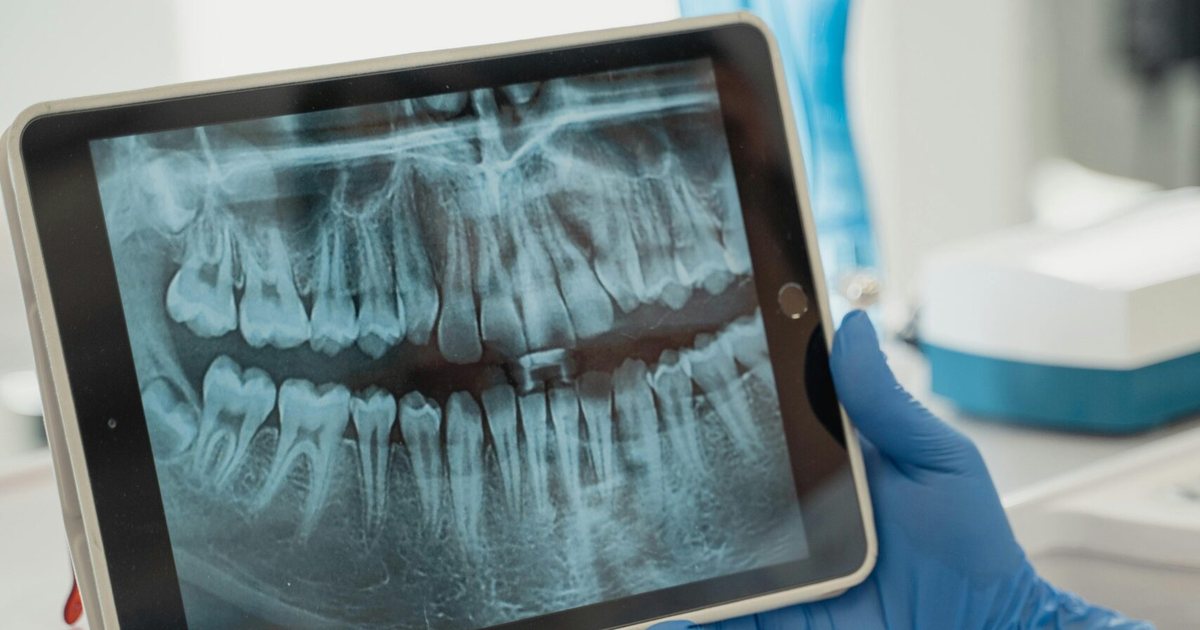
- Cysts or bone changes are detected on X-rays
⏱️ Early removal often reduces the risk of future complications.
🚫 When Is Wisdom Tooth Removal Not Required?
Wisdom teeth may be retained when:
- They are fully erupted and well aligned
- They are painless and functional
- Surrounding gums and bone are healthy
- The tooth can be cleaned effectively
- No infection or pathology is present
🔍 Even in these cases, regular monitoring is essential.
A patient’s experience
One young patient told us she’d delayed removal for over a year because of stories online. She said the worst part was the waiting; on the day she felt pressure but no pain, and she was eating soft food the same evening.
Types of Wisdom Tooth Impaction
Soft Tissue Impaction
- Tooth is partially erupted
- Covered by gum tissue
- Higher risk of infection due to food trapping
Bony Impaction
- Tooth is partially or completely embedded in bone
- Removal may require additional access
What Happens During Wisdom Tooth Removal?
1️⃣ Clinical Examination & Imaging
- Detailed oral examination
- Digital X-rays or scans to assess tooth position, roots, and proximity to nerves
2️⃣ Anesthesia
- Topical anesthetic gel is applied first to numb the gum surface
- Followed by gentle local anesthesia for complete numbness
✨ At Tricity Smiles Dentistry, special emphasis is placed on a slow, gentle, and painless anesthesia technique, helping even anxious patients feel relaxed and comfortable throughout the procedure.
3️⃣ Tooth Removal
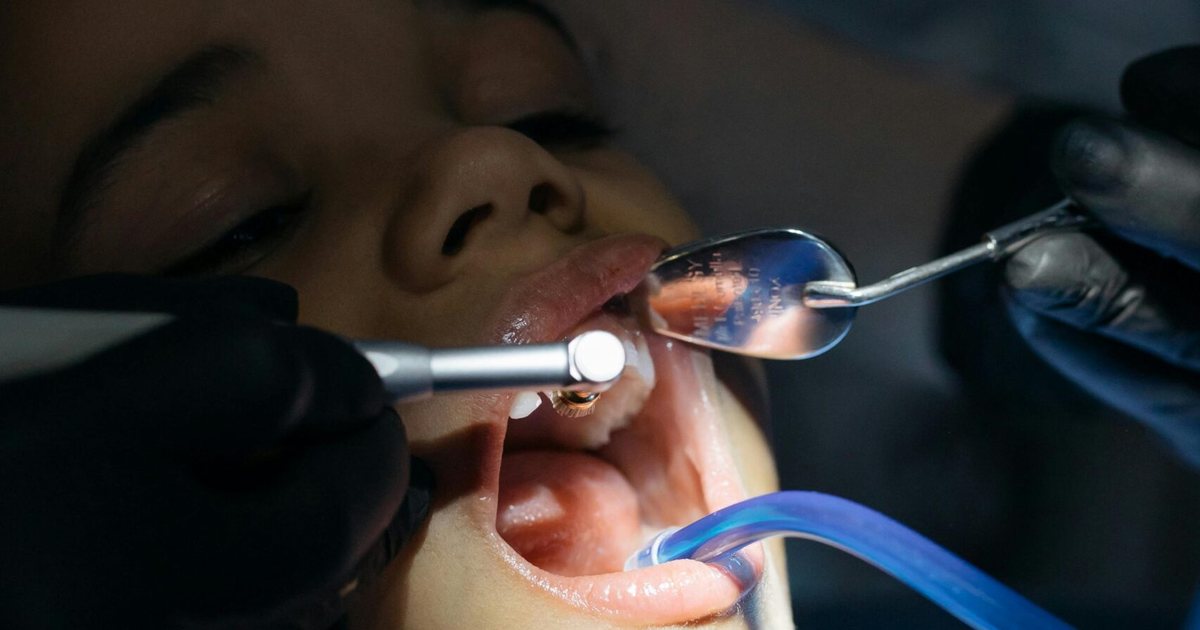
- Fully erupted teeth are removed using standard instruments
- Impacted teeth may require a small incision and controlled removal
- The tooth may be sectioned to minimize trauma
4️⃣ Cleaning & Closure
- The area is thoroughly cleaned
- Sutures may be placed if required
The procedure is carried out in a controlled, sterile environment with patient safety as the priority.
⏳ Recovery After Wisdom Tooth Removal
What Is Normal After the Procedure
- Mild to moderate swelling
- Soreness at the extraction site
- Limited mouth opening for a short period
These symptoms usually peak within the first couple of days and then gradually improve.
Healing Progress
- Initial healing begins within a few days
- Soft tissue healing continues over the next one to two weeks
- Bone healing progresses gradually over time
✅ Following post-operative instructions carefully plays a major role in smooth recovery.
🧾 Aftercare Instructions Following Wisdom Tooth Removal
✔️ Do
- Bite gently on gauze as instructed
- Apply ice packs externally during the first 24 hours
- Eat soft foods
- Maintain gentle oral hygiene
- Rest adequately
❌ Avoid
- Spitting or forceful rinsing
- Using straws
- Smoking or tobacco use
- Touching the extraction site
- Hard, crunchy, or spicy foods
⚠️ These precautions help prevent complications such as dry socket.
⚠️ Possible Complications (Uncommon)
- Dry socket
- Infection
- Prolonged swelling or pain
- Temporary numbness (rare)
Prompt follow-up allows early management if any concerns arise.
Related Services
- Dental Implants
- Surgical Tooth Extractions
- Dental X-rays & Digital Imaging
- Oral Prophylaxis
- Dental Crowns
What Our Patients Say
“I was very nervous about my wisdom tooth removal, but the team at Tricity Smiles made it completely painless. Recovery was much easier than I expected.”- Ms. Sujata
Questions about wisdom tooth removal? Talk to us before you decide.
Book a consultation at Tricity Smiles, Sector 28-A, Chandigarh, or message us on WhatsApp and we will get back to you.
Book NowWhatsApp UsFrequently asked questions
Does wisdom tooth removal hurt?
No. With topical and local anesthesia, the procedure is typically painless.
How long does recovery take?
Most patients feel significantly better within a few days, with gradual healing afterward.
Are stitches always required?
Stitches are mainly used for impacted teeth and may dissolve on their own.
What is dry socket?
A painful condition caused by loss of the blood clot. Following aftercare instructions reduces the risk.
Sources and further reading
- American Dental Association (MouthHealthy): Wisdom Teeth
- American Dental Association (MouthHealthy): Dry Socket
- NHS: Wisdom tooth removal
This article is general information for patients and does not replace a personal examination. Treatment plans and costs depend on your individual case.
About the author

Written by Dr. Sandhu
Founder and lead dentist, Tricity Smiles Dentistry, Chandigarh
Dr. Sandhu has over 20 years of clinical experience. He completed his BDS at CMC Ludhiana, holds a Master’s from the University of Southern California (USC) and completed the International DDS Program at UCSF. He is a member of Spear Education, the Dawson Academy and RIPE Global, and leads Tricity’s first 100% digital dental clinic, caring for families across Chandigarh, Mohali, Panchkula and Zirakpur.