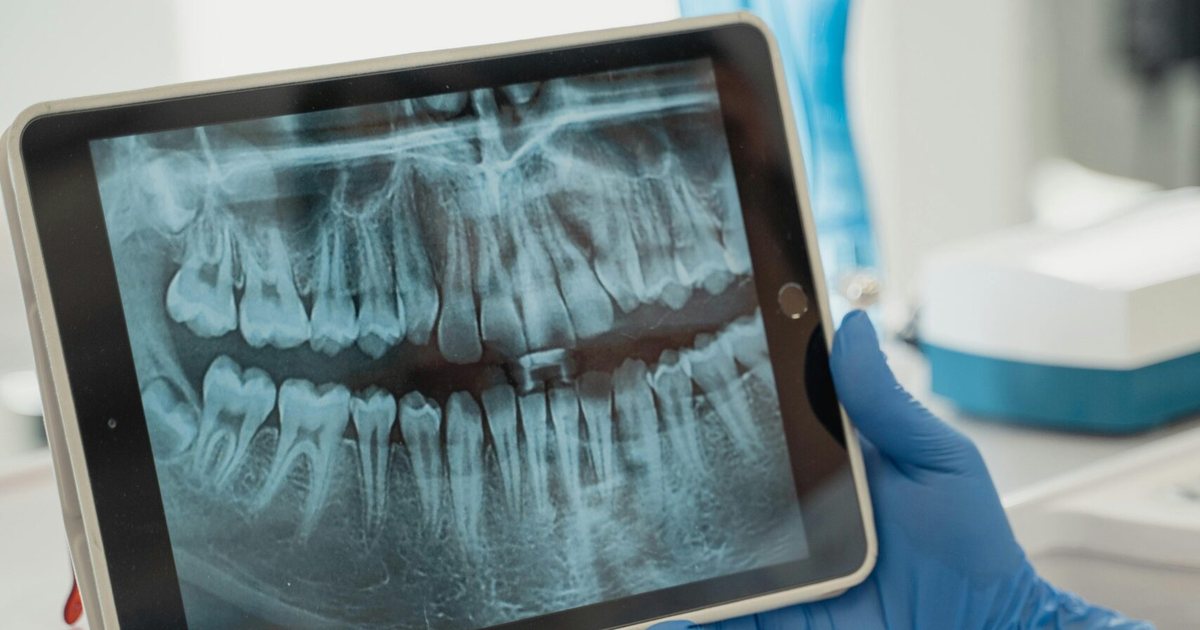
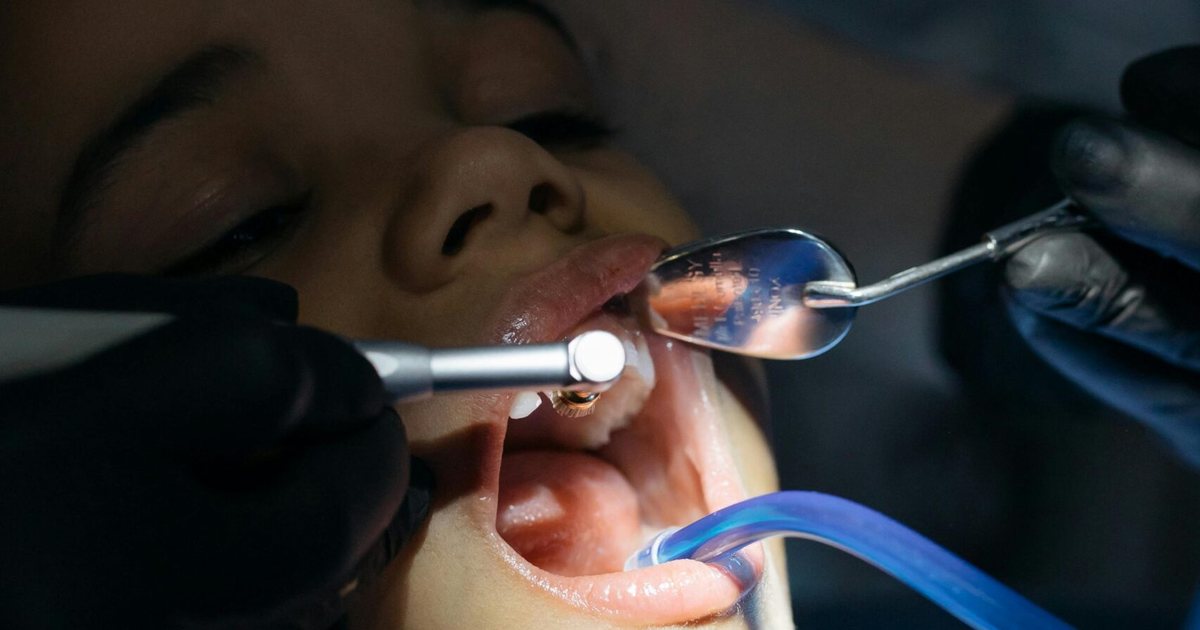
Missing teeth can affect more than just your smile. They can impact chewing efficiency, speech, jawbone health, and long-term oral stability. Dental implants are a modern, fixed tooth-replacement solution designed to closely mimic the function and appearance of natural teeth.
Losing a tooth is more than a gap in your smile; it changes how you eat, speak and even how you feel in photographs. Implants aren’t right for everyone, so I’d like you to hear the whole picture, including the parts that make a case more involved.
Key takeaways
- A dental implant is a titanium fixture placed in the jawbone to replace a tooth root; it supports a crown, bridge or denture.
- Options include single-tooth implants, implant-supported bridges and implant-supported dentures; bone grafting may be needed if the jawbone lacks height, width or density.
- Implant costs depend on the number of implants, bone health and the type of crown; you’ll receive a written, itemised quote after your consultation.
What Are Dental Implants?
A dental implant is a biocompatible titanium or titanium-alloy fixture surgically placed into the jawbone to replace the root of a missing tooth. Once healed, it supports a crown, bridge, or denture.
Dental implants help restore:
- Chewing efficiency
- Speech clarity
- Jawbone support
- Natural smile appearance
Three ways implants replace teeth
| Type | What it does | Benefit |
|---|---|---|
| Single-tooth implant | Replaces one missing tooth | Preserves adjacent natural teeth |
| Implant-supported bridge | Replaces multiple missing teeth | Supported by implants, not natural teeth |
| Implant-supported denture | For multiple or full-arch tooth loss | More stable than removable dentures |
Parts of a Dental Implant
A dental implant system consists of three main components:
- Implant Fixture
- The titanium post placed inside the jawbone
- Acts as the artificial tooth root
- Abutment
- Connects the implant fixture to the crown
- Supports the final restoration
- Crown / Prosthesis
- The visible tooth replacement
- Designed to match natural teeth in shape and color
Each component works together to provide stability, strength, and function.
When Are Dental Implants Used? (Indications)
Dental implants may be recommended when:
- One or more teeth are missing
- Adjacent teeth are healthy and should not be altered
- A fixed, long-term solution is preferred
- Adequate bone is present (or can be augmented)
- Good oral hygiene can be maintained
A patient’s experience
A patient who had lived with a missing back tooth for years told us she’d stopped chewing on that side without noticing. After her implant healed, she said meals felt normal again for the first time in a long time.
When Are Dental Implants Not Used? (Contraindications)
Implants may not be suitable when:
- Bone quantity or quality is insufficient and grafting is not feasible
- Gum disease is untreated
- Oral hygiene is poor
- Certain systemic conditions affect healing
- Heavy smoking is uncontrolled
A thorough evaluation is essential before planning implant treatment.
Types of Dental Implants
1. Single-Tooth Dental Implant
- Replaces one missing tooth
- Preserves adjacent natural teeth
2. Implant-Supported Bridge
- Replaces multiple missing teeth
- Supported by implants instead of natural teeth
3. Implant-Supported Denture
- Used for multiple or full-arch tooth loss
- Offers improved stability compared to removable dentures
What Happens During the Dental Implant Procedure?
- Clinical Evaluation & Digital PlanningExamination, imaging, and treatment planning.
- Implant Placement
- Performed under local anesthesia
- Implant fixture is placed into the jawbone
- Bone Grafting (If Required)
- Small bone graft may be placed if bone volume is inadequate
- Helps improve implant stability and long-term success
- Healing & Osseointegration
- Implant integrates with the bone over time
- Abutment & Final Crown Placement
- Custom crown is placed once healing is complete
At Tricity Smiles Dentistry, digital planning and gentle surgical techniques ensure comfort and precision.
Dental Implant Treatment Timeline
| Stage | Typical Timeframe | What Happens |
| Initial consultation & imaging | Week 0 | Clinical exam, imaging, and treatment planning |
| Implant placement surgery | Week 1 | Implant placed into the jawbone under local anesthesia |
| Early healing phase | Weeks 1–2 | Mild swelling or soreness subsides; gums begin healing |
| Osseointegration phase | 2–4 months | Implant fuses with the jawbone for stability |
| Final crown / prosthesis | Month 4–6 | Permanent crown, bridge, or denture attached |
| Maintenance & follow-up | Ongoing | Regular check-ups and professional cleaning |
Timelines vary depending on bone health and treatment complexity.
Advantages of Dental Implants
| Advantage | Benefit |
| Fixed solution | Feels and functions like natural teeth |
| Bone preservation | Prevents jawbone loss |
| Tooth preservation | Adjacent teeth remain untouched |
| Long-term stability | Designed for long-term use |
| Improved comfort | No movement like removable dentures |
| Natural appearance | Matches natural teeth |
Dental Implant vs Dental Bridge
| Feature | Dental Implant | Dental Bridge |
| Support | Jawbone | Adjacent teeth |
| Surgery required | Yes | No |
| Effect on nearby teeth | Preserves natural teeth | Often requires preparation |
| Bone preservation | Yes | No |
✔️ Dentists often recommend:
- Dental implant when maximum longevity and bone preservation are desired.
- Dental bridge when adjacent teeth need crowns or when a quicker fixed solution is preferred.
At Tricity Smiles Dentistry, we evaluate your bone, bite, age, gum health, and personal preferences to choose the ideal option.
Immediate Implant Placement
In selected cases, a dental implant can be placed immediately after tooth extraction.
When Immediate Implants Are Considered
- Adequate bone is present
- No active infection
- Good gum and bone health
Benefits
- Reduced overall treatment time
- Preservation of bone and gum contours
- Fewer surgical appointments
Immediate placement is determined only after careful clinical evaluation.
Bone Grafting & Socket Preservation
- Bone grafting may be required when the jawbone lacks sufficient height, width, or density to support an implant.
- This can occur due to long-standing missing teeth, gum disease, trauma, or natural bone shrinkage after extraction.
- Socket preservation is a preventive grafting procedure performed immediately after tooth removal to maintain bone volume and gum contours for future implant placement.
- Grafting may be done before implant placement, at the time of implant surgery, or immediately after extraction, depending on the clinical situation.
- Not all implant cases require grafting, but when indicated, it improves implant stability, positioning, and long-term success and is planned in advance.
Cost Factors for Dental Implants
Implant costs depend on:
- Number of implants
- Type of restoration
- Bone grafting needs
- Implant system used
- Digital imaging and planning
- Case complexity
A personalized consultation is essential.
Caring for Dental Implants
- Brush twice daily
- Floss or use interdental brushes
- Attend regular dental check-ups
- Avoid smoking
Good maintenance supports long-term implant success.
Related Services
- Dental Implants
- Bone Grafting Procedures
- Implant-Supported Crowns & Bridges
- Full-Mouth Rehabilitation
What Our Patients Say
⭐⭐⭐⭐⭐“My dental implant feels just like a natural tooth. The entire process was explained clearly and done very comfortably.”-Mr. Anuj
Questions about dental implants? Talk to us before you decide.
Book a consultation at Tricity Smiles, Sector 28-A, Chandigarh, or message us on WhatsApp and we will get back to you.
Book NowWhatsApp UsFrequently asked questions
Are dental implants painful?
Implant placement is typically comfortable under local anesthesia.
How long does the implant process take?
Treatment time varies based on healing and complexity.
Do implants need special care?
They require the same care as natural teeth.
Sources and further reading
- American Dental Association (MouthHealthy): Bridges
- NHS: Healthy teeth and gums
- World Health Organization: Oral health fact sheet
This article is general information for patients and does not replace a personal examination. Treatment plans and costs depend on your individual case.
About the author

Written by Dr. Sandhu
Founder and lead dentist, Tricity Smiles Dentistry, Chandigarh
Dr. Sandhu has over 20 years of clinical experience. He completed his BDS at CMC Ludhiana, holds a Master’s from the University of Southern California (USC) and completed the International DDS Program at UCSF. He is a member of Spear Education, the Dawson Academy and RIPE Global, and leads Tricity’s first 100% digital dental clinic, caring for families across Chandigarh, Mohali, Panchkula and Zirakpur.