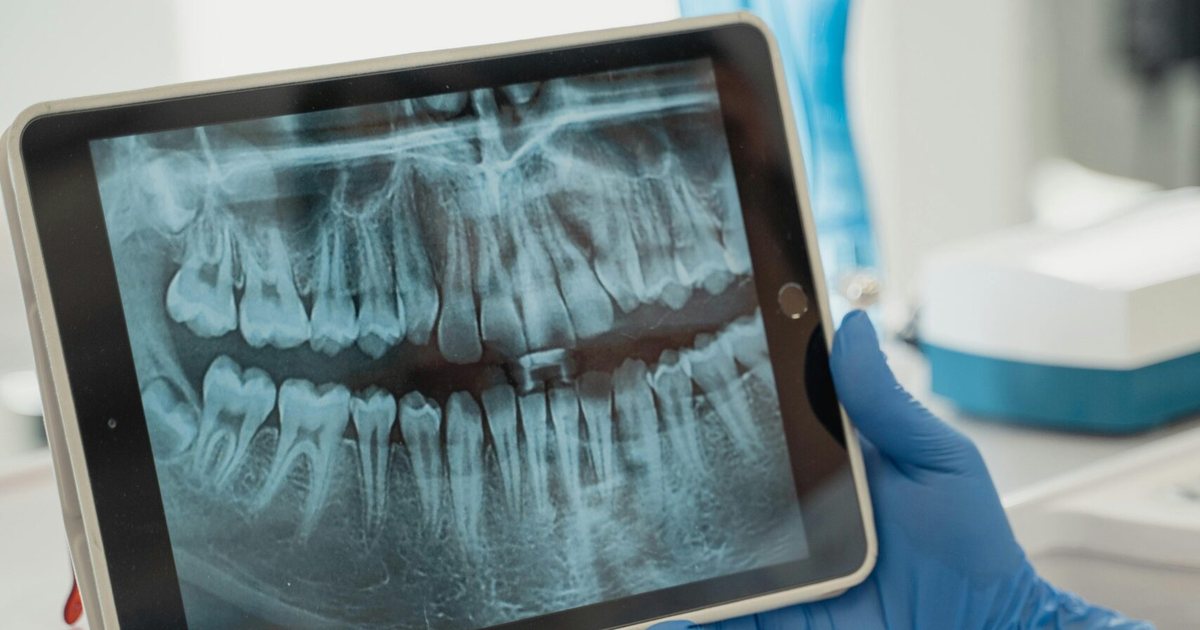
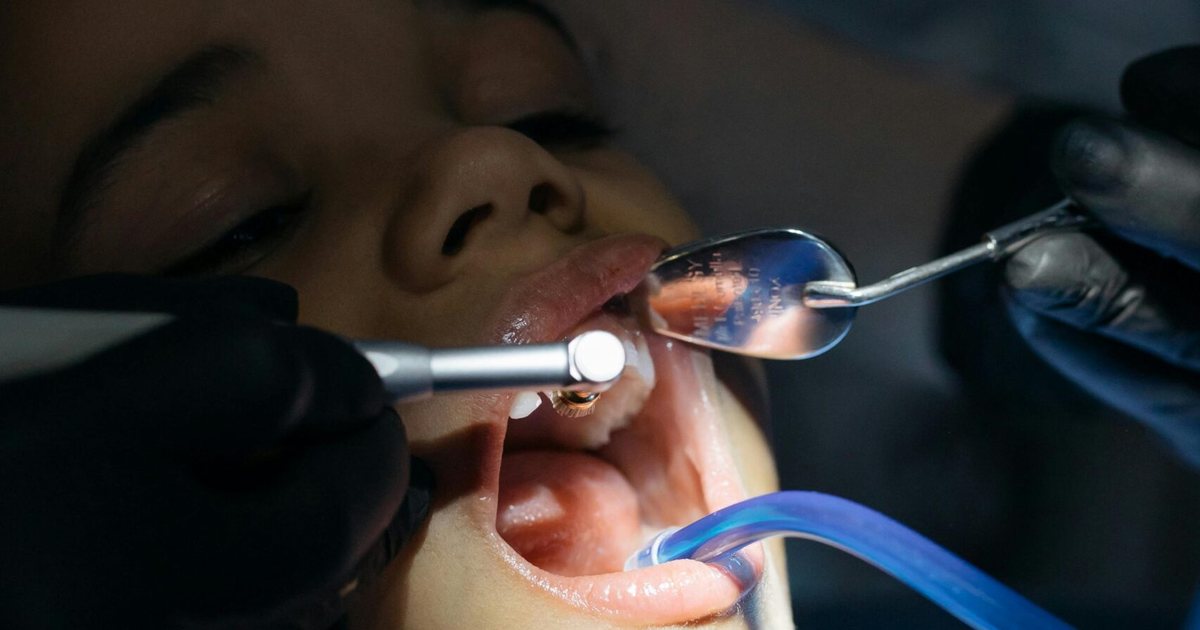
The words ‘root canal’ make many people flinch, usually because of stories from decades ago. I’d like you to hear the modern version: a procedure that relieves pain and saves a tooth, done under local anaesthetic, and far easier than most people expect.
Key takeaways
- A root canal removes damaged or infected pulp, cleans and disinfects the inside of the tooth and seals it to prevent reinfection, saving a tooth that might otherwise be lost.
- With local anaesthetic, digital X-rays and modern endodontic equipment, treatment can be done with minimal discomfort; sedation options may also be offered.
- It typically takes 1-2 hours across one or two appointments, and root canal treatment at Tricity Smiles starts from ₹8,000.
What is a root canal, and why might you need one?
Inside every tooth is the pulp. When it becomes infected because of decay, injury or other factors, untreated infection can lead to pain and even loss of the tooth. During a root canal treatment, the dentist removes the damaged or infected pulp, cleans and disinfects the inside of the tooth, and then seals it to prevent future infections.
Is a root canal painful?
It doesn’t have to be. Digital X-rays, modern endodontic equipment and local anaesthetics make it possible to perform root canal treatment with minimal discomfort. The area around the tooth is numbed so you shouldn’t feel pain during the procedure, and we may also offer sedation options to help you relax.
What to expect during a root canal
How long does it take?
A root canal typically takes 1-2 hours and is done in one or two appointments, depending on how severe the damage is. Afterwards you may feel some sensitivity, which usually settles within a few days. We will give you aftercare instructions and tell you when to come back for a follow-up.
A patient’s experience
A patient told us she had lived with a throbbing tooth for weeks because she was terrified of a root canal. She said the treatment itself felt like a long filling, and that the pain she’d dreaded was gone by the next morning.
What does a root canal cost in Chandigarh?
Root canal treatment at Tricity Smiles starts from ₹8,000, and the exact quote depends on the tooth and how complex it is. A tooth that has had a root canal is more fragile, so a crown is often advised to protect it; crowns start from ₹15,000, and we will explain both costs in writing before treatment. See our root canal treatment page and crowns page.
Can you avoid needing a root canal?
Often, yes. Keeping your teeth and gums healthy by brushing and flossing regularly and visiting the dentist for check-ups helps prevent the decay that leads to infection in the first place.
Toothache and worried about a root canal? Talk to us today.
Book a consultation at Tricity Smiles, Sector 28-A, Chandigarh, or message us on WhatsApp and we will get back to you.
Book NowWhatsApp UsFrequently asked questions
Is root canal treatment painful?
Your dentist uses a local anaesthetic to numb the area around the tooth, so you should not feel pain during the procedure. Sedation options may also be offered to help you relax.
How long does a root canal take?
It typically takes 1-2 hours and is performed in one or two appointments, depending on the severity of the damage.
What should I expect after a root canal?
Some sensitivity is common and usually subsides within a few days. Your dentist will give you post-operative instructions, including how to care for the treated tooth and when to schedule a follow-up appointment.
How much does a root canal cost in Chandigarh?
Root canal treatment at Tricity Smiles starts from ₹8,000. The exact quote depends on the tooth and how complex it is, and you receive it before treatment.
Do I need a crown after a root canal?
Often yes. Root-canal-treated teeth are more fragile and benefit from crown protection. Crowns at Tricity Smiles start from ₹15,000.
Sources and further reading
- American Dental Association (MouthHealthy): Root Canals
- NHS: Root canal treatment
- Indian Dental Association
- World Health Organization: Oral health fact sheet
This article is general information for patients and does not replace a personal examination. Treatment plans and costs depend on your individual case.
About the author

Written by Dr. Sandhu
Founder and lead dentist, Tricity Smiles Dentistry, Chandigarh
Dr. Sandhu has over 20 years of clinical experience. He completed his BDS at CMC Ludhiana, holds a Master’s from the University of Southern California (USC) and completed the International DDS Program at UCSF. He is a member of Spear Education, the Dawson Academy and RIPE Global, and leads Tricity’s first 100% digital dental clinic, caring for families across Chandigarh, Mohali, Panchkula and Zirakpur.